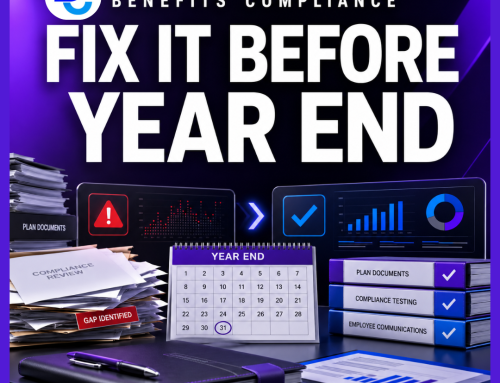

Year-end compliance issues do not reset when the calendar changes.
Anything left unresolved now carries into audits, penalties, and next year’s filings.
This is the final window to correct issues voluntarily and on your own timeline.
Why Year-End Cleanup Is Still Required
Even if major deadlines feel behind you, compliance exposure remains.
Incomplete filings, outdated documents, or missing records often surface later—when penalties are higher, and options are limited.
Addressing gaps now reduces risk and prevents repeat issues next year.
Form 5500 Issues That Should Be Resolved Now
Before the year closes, employers should confirm that:
-
All required Form 5500 filings were submitted and accepted
-
Participant counts, plan numbers, and plan details are accurate
-
Required schedules and attachments were properly included
Form 5500 filing errors can trigger penalties and audits if left uncorrected.
Early review allows time to fix mistakes before they escalate.
Plan Documents That Are Out of Date
Plan documentation must match how benefits are actually administered.
Before year-end, verify that:
-
Summary Plan Descriptions reflect current benefits
-
Wrap documents include all active plans
-
Distribution records are maintained
Summary Plan Description distribution requirements under ERISA are a common area of noncompliance and should be reviewed annually.
ACA Reporting Gaps That Can’t Wait
ACA issues are often discovered after the year ends—when corrections are more complex.
Now is the time to:
-
Confirm full-time employee tracking is accurate
-
Resolve inconsistencies in coverage offers
-
Prepare for the upcoming 1094/1095 reporting
ACA reporting mistakes often surface after year-end, increasing exposure to IRS penalties.

Documentation That Is Not Audit-Ready
A lack of organized documentation creates unnecessary exposure.
Before January, employers should:
-
Centralize compliance records
-
Store plan documents and amendments
-
Maintain proof of required disclosures
Audit-ready documentation reduces exposure and simplifies responses to DOL inquiries.
What Employers Should Do Before January
Before moving into the new year:
-
Fix open compliance issues now
-
Organize records for next year’s filings
-
Establish a clear compliance plan for 2026
Waiting only increases cost and complexity.
How BC2 Helps Employers Close the Year Clean
BC2 supports employers by providing:
-
Form 5500 review and preparation
-
ERISA plan document updates
-
ACA reporting support
-
Compliance organization and audit readiness
Professional Form 5500 preparation reduces filing risk and helps employers avoid repeat issues year after year.
Close the Year Compliant
The end of the year is your last opportunity to correct compliance gaps before penalties apply.
BC2 helps employers resolve outstanding issues and start the new year clean, organized, and compliant.